

We recently completed a multi-country project exploring how climate change affects water security in low- and middle-income communities—and how local people can help shape the solutions.
Funded by the British Council and supported by the Association of Commonwealth Universities (ACU), the project brought together researchers from Nigeria, India and South Africa alongside community partners, government representatives and public engagement teams.
Working in Ilaje (Nigeria), Nelvoi (India) and Nomathiya (South Africa), our team used participatory action research and citizen science to:
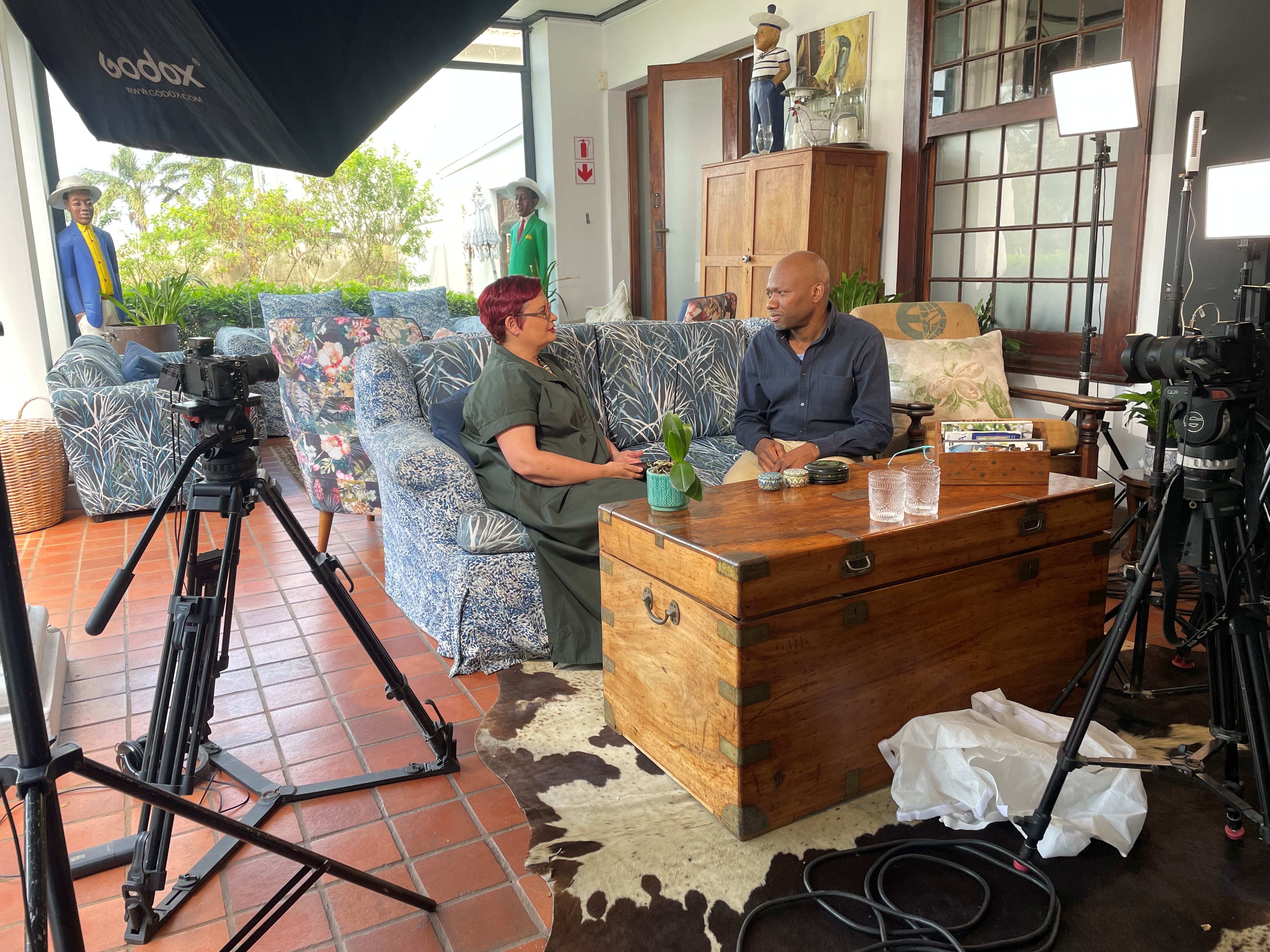
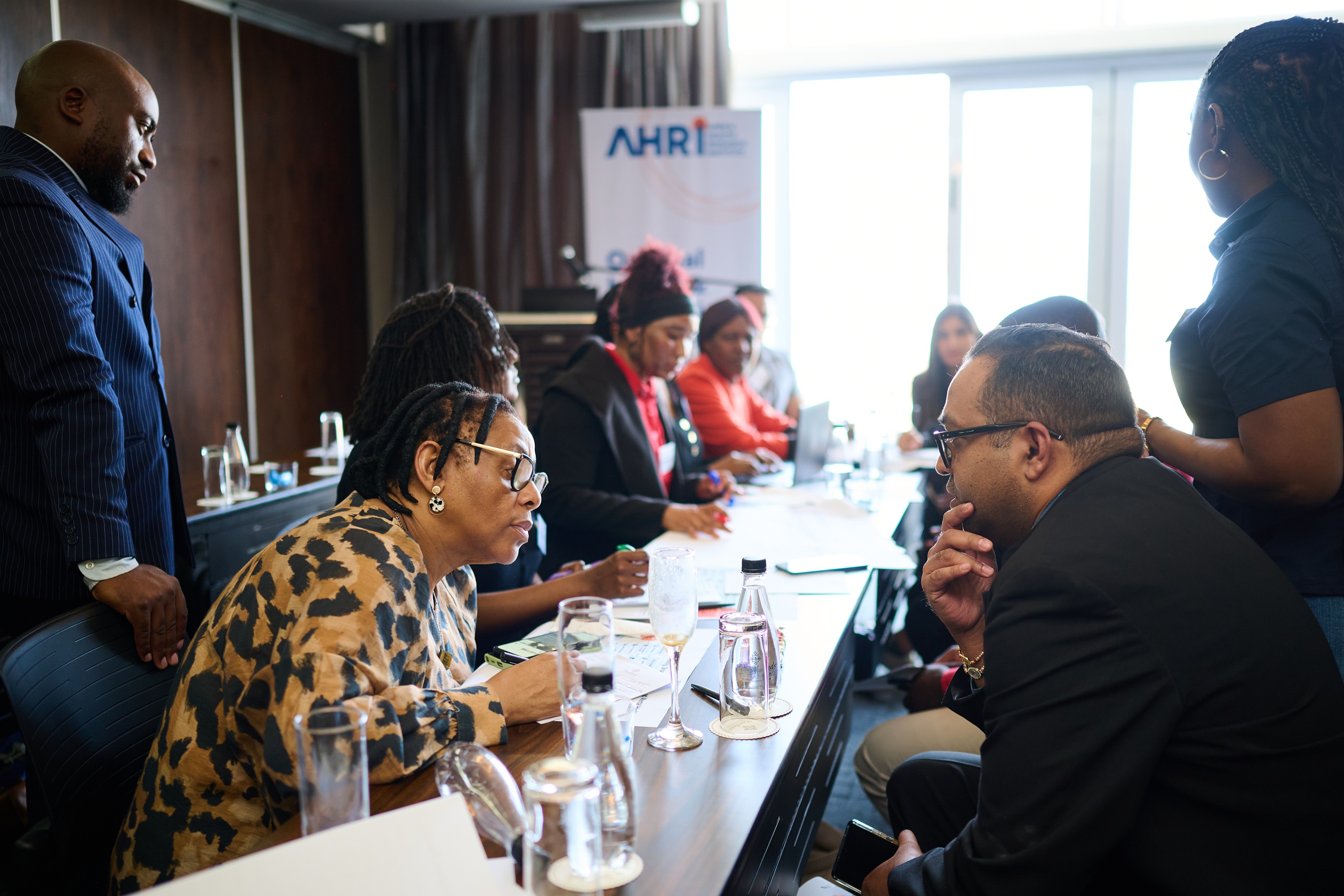
In South Africa, the project was led by Dr Kingsley Orievulu, working in partnership with the Africa Health Research Institute (AHRI) Public Engagement Unit and the AHRI Community Advisory Board. Community volunteers played a key role, helping to map water points, identify hazards and build a shared understanding of local water insecurity.
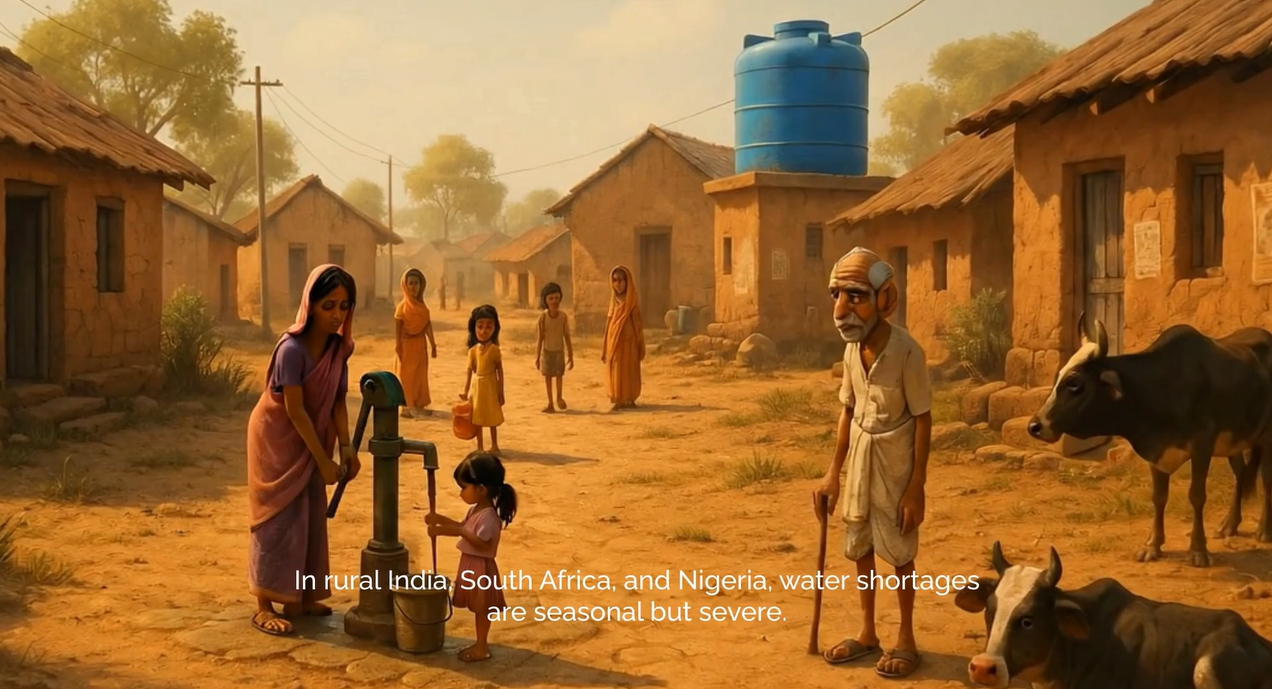
Across all three sites, climate change is intensifying water scarcity, affecting livelihoods, health and daily life. By involving communities directly, the project ensured that proposed solutions were relevant, practical and built on local knowledge—not imposed from outside.
Our work produced a set of actionable resources:
The toolkit is designed for adults and children, easy to translate, and suitable for use in other LMIC settings.
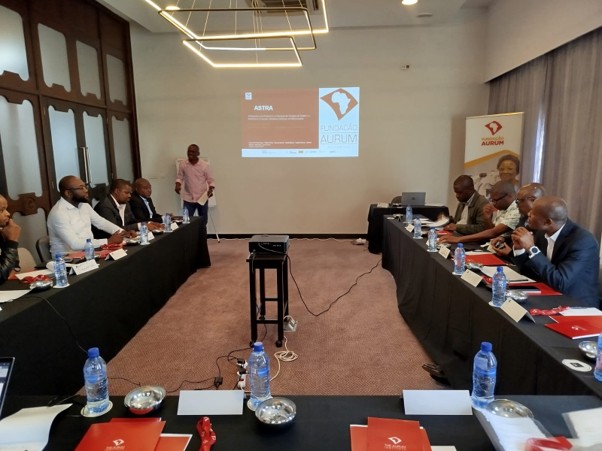
At the close of the project, researchers from 10 countries gathered at the University of Lagos for the ACU’s End-of-Project event. The three water-security teams presented their findings, connected with policymakers and academics, and helped launch a new collaborative initiative between the University of Warwick and the University of Lagos on localising water security solutions.
Key insights from Lagos included:
This project demonstrated the power of citizen science and community collaboration in addressing climate-related water challenges. The relationships built, across continents and within communities, will continue to shape future research and action on water security.