

For many communities in Mozambique, climate change is not a distant or future concern. It is already being experienced through floods, droughts, unpredictable rainfall and the lasting effects of major cyclones.
These climate-related events do more than damage homes, roads and crops. They can affect whether people are able to reach a clinic, collect medication, access clean water, grow food or recover after a disaster.
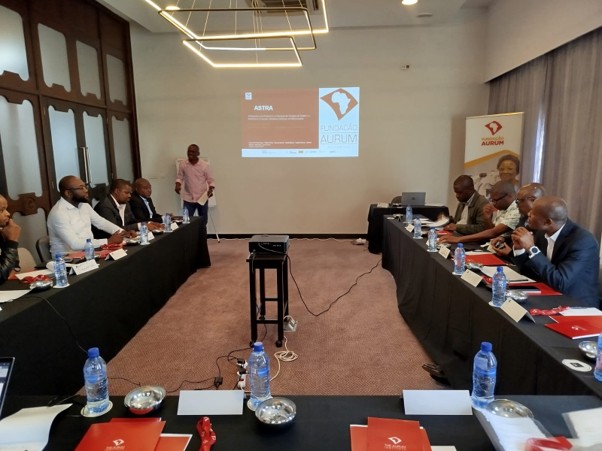
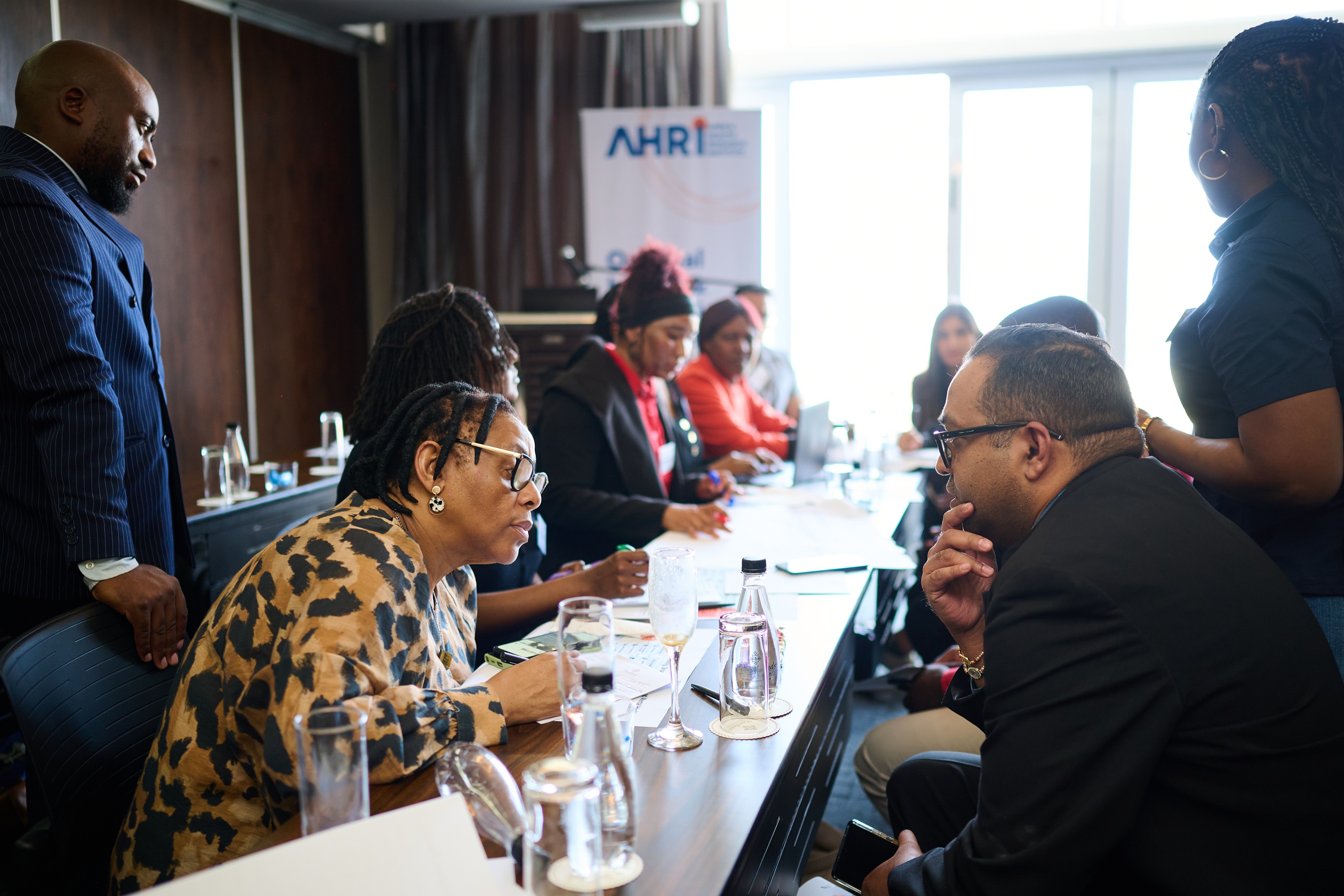
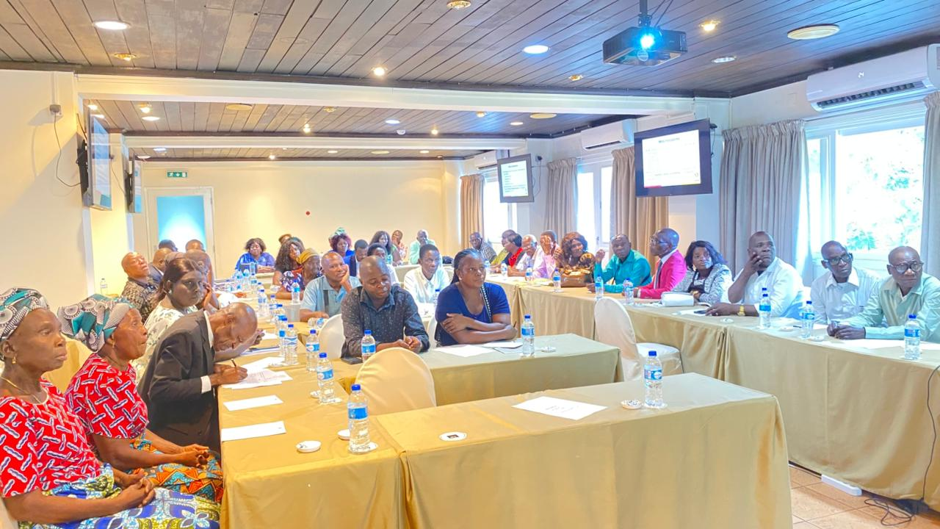
This was the focus of a recent ASTRA community engagement workshop held in Mozambique’s Sofala Province. The workshop brought together community members and local stakeholders from Beira City and Dondo District, including Manga Mascarenha, Munhava-Mananga, Munhonha and Savane 2.
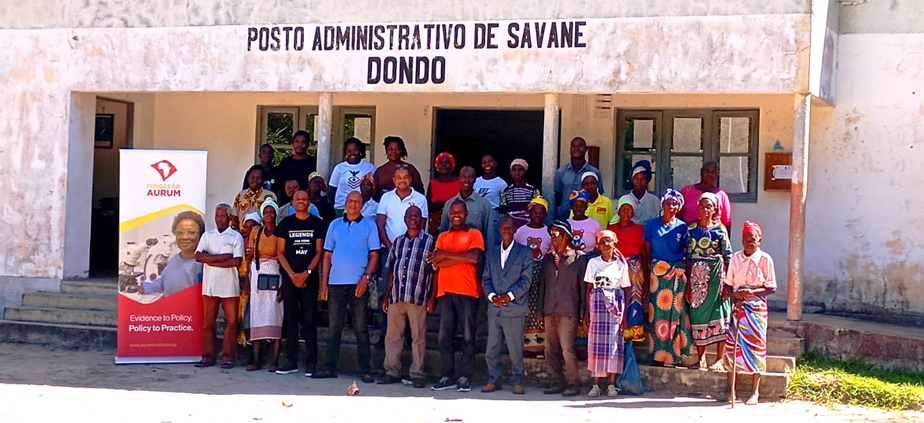
The Mozambique workshop created space for communities to share how climate change is affecting their everyday lives.
Participants reflected on the impacts of floods, droughts and erratic rainfall, particularly in communities where livelihoods, food security and access to healthcare are closely connected. In these settings, a failed harvest, damaged road or flooded route can quickly become a health issue.
For example, when crops are damaged or water becomes scarce, households may face food insecurity and financial pressure. This can make it harder for people to afford transport to clinics or maintain the nutrition needed to support treatment and recovery.
When roads are damaged or communities are displaced, people may also miss clinic appointments, struggle to collect medication or lose contact with health services. These disruptions are especially concerning for people receiving HIV or TB care, where continuity of treatment is essential.
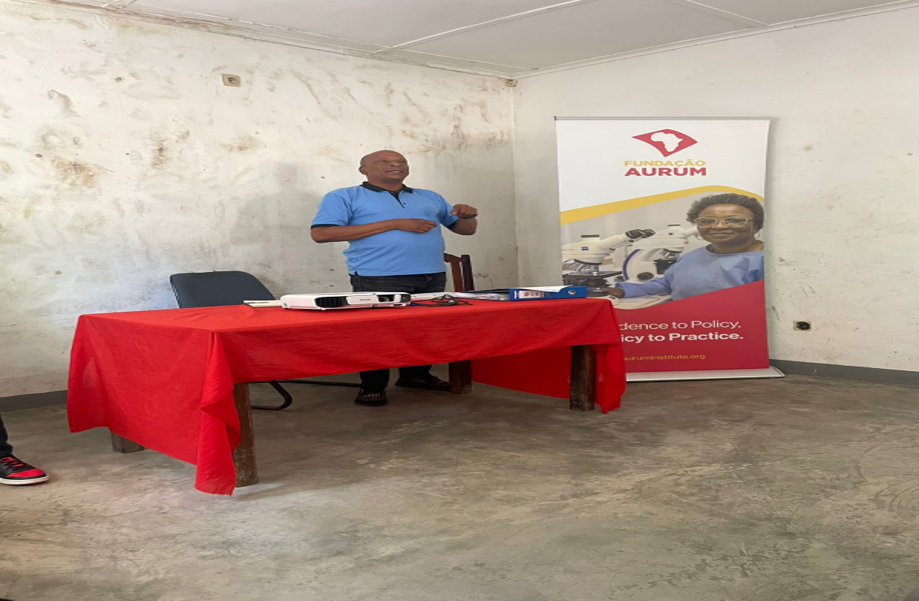
One of the key standouts from the workshop was the way communities described the cumulative impact of repeated extreme weather events.
Sofala Province has experienced significant climate-related events in recent years, including the impacts of major tropical cyclones such as Idai, Kenneth and Eloise. These events have placed pressure on communities, infrastructure and health systems. Participants highlighted how such shocks can damage healthcare infrastructure, disrupt medical supply chains, affect water and food security and make it harder for households to recover. The concern is not only what happens during a disaster, but also the long recovery period that follows.
For many communities, climate shocks can deepen existing vulnerabilities. A flood or drought may pass, but its effects can remain through damaged homes, reduced income, food shortages, interrupted services and increased pressure on families.
The workshop included a broad range of local voices. Participants included community leaders, heads of blocks, healthcare providers, medical technicians, teachers, church leaders, local resilience coordinators, public service representatives and people connected to disaster management structures.
This diversity was important because climate change affects more than one part of community life. It affects health, education, farming, transport, water access, local leadership and household wellbeing. By bringing these voices together, the ASTRA team was able to better understand how climate risks are experienced across different parts of community life, and how people are already responding.
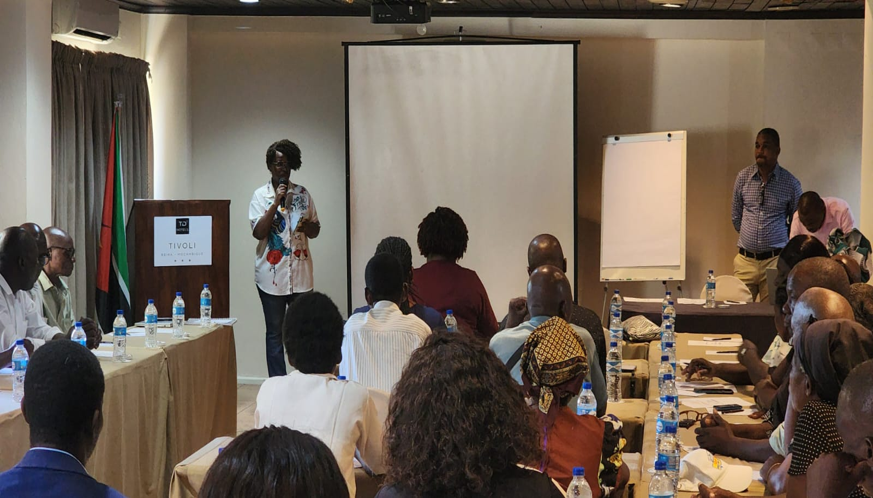
The Mozambique engagement showed that climate resilience cannot only be about responding after a disaster has happened. It also needs to be about strengthening the systems that communities depend on before, during and after extreme weather events. This includes health facilities, medicine supply chains, transport routes, local communication systems, disaster preparedness plans and community support networks.
The discussions also showed that healthcare access is closely linked to everyday realities. A person may know they need treatment, and a clinic may have services available, but climate-related disruption can still prevent that person from receiving care.
This is why the ASTRA study is looking beyond climate events themselves and asking a deeper question: how can healthcare delivery be strengthened so that people continue to receive care even when extreme weather disrupts normal life?
The Mozambique ASTRA workshop made one thing clear: communities are not only affected by climate change; they also hold important knowledge about how to respond to it. By listening to people living on the frontline of climate shocks, ASTRA is helping to build a clearer picture of what climate-resilient healthcare could look like in practice.
The goal is to support solutions that are grounded in lived experience, responsive to local needs and able to strengthen healthcare delivery in the face of future climate-related shocks.
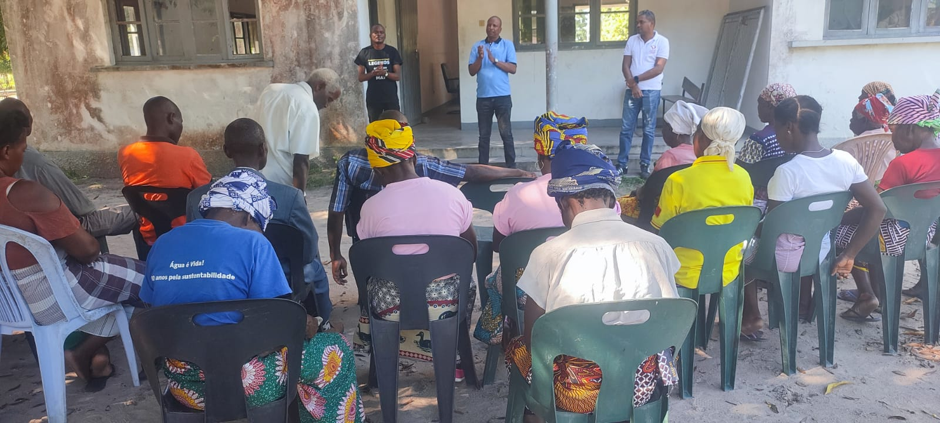
As climate change continues to affect communities across Southern Africa, engagements like this are essential. They remind us that resilience begins with understanding people’s realities, and building responses with them, not just for them.