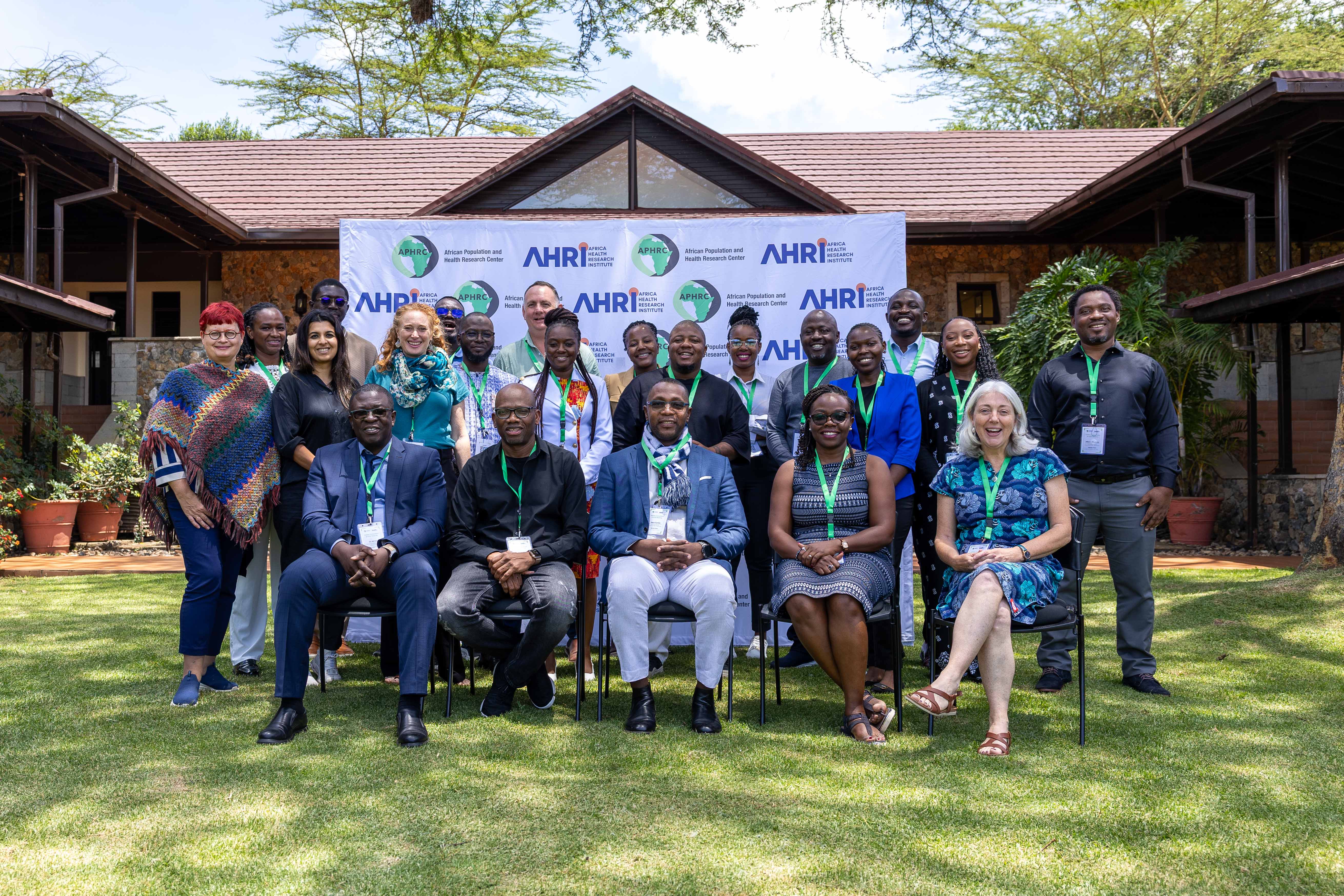


WEMA project partners from across Africa recently came together in Naivasha, Kenya, for the annual consortium meeting of the study. The meeting provided an important opportunity to reflect on progress to date, share emerging findings, and plan how best to ensure the research makes a meaningful difference for communities and policymakers.
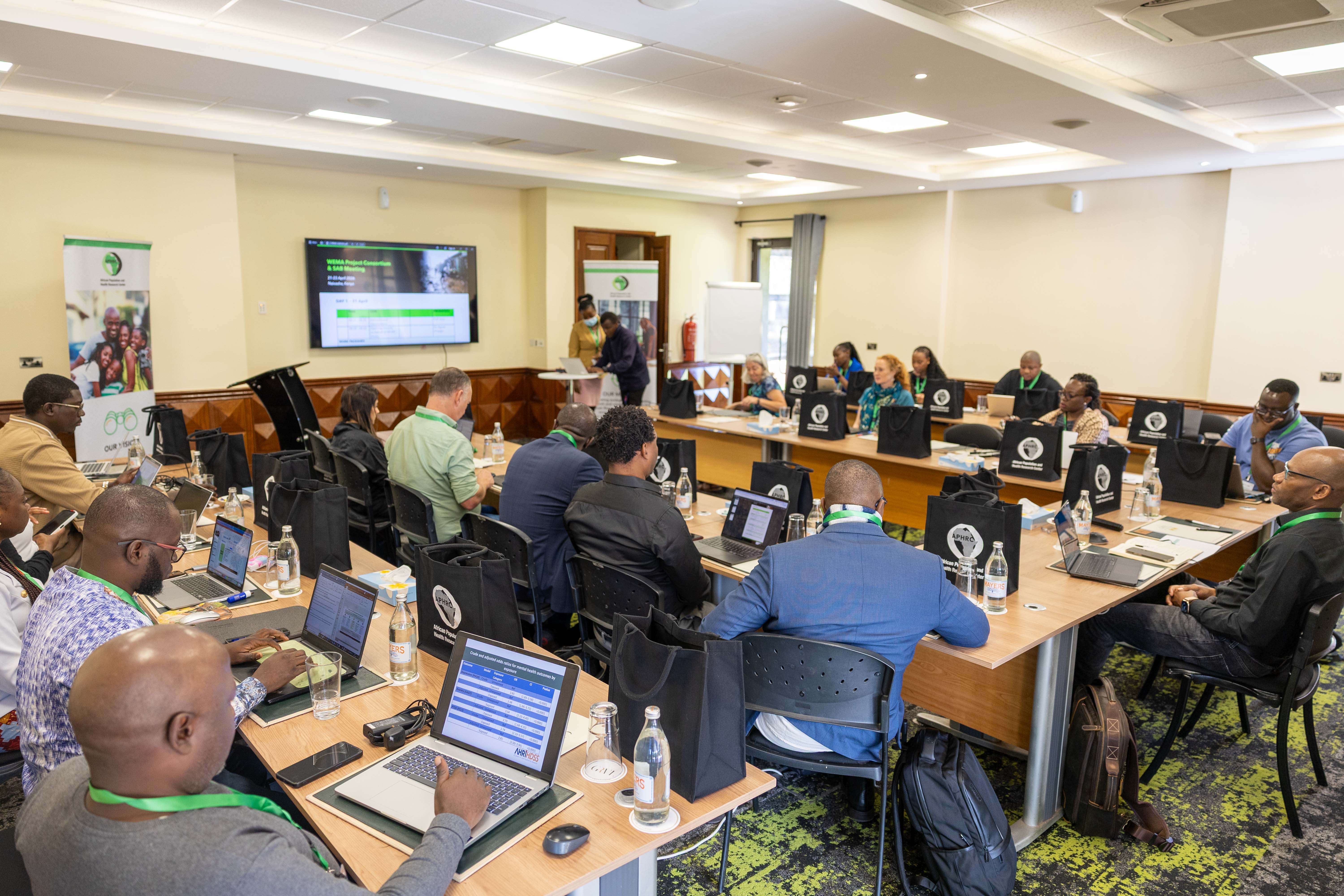
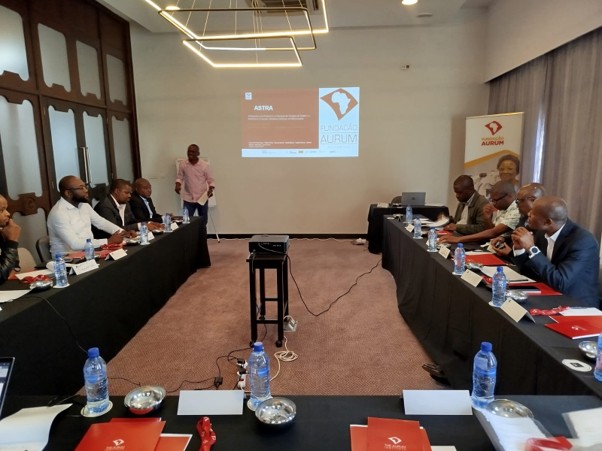
Over two days, researchers shared updates from ongoing work in Kenya, South Africa, Mozambique and Burkina Faso. Presentations focused on prevalence surveys, data analysis, systematic reviews and community‑led digital storytelling initiatives.
A key highlight was the presentation of findings from a systematic review examining links between extreme weather events and mental health outcomes in sub‑Saharan Africa. The review found that while evidence is still limited, particularly for drought‑related impacts, there is a clear need for more high‑quality research in this area.
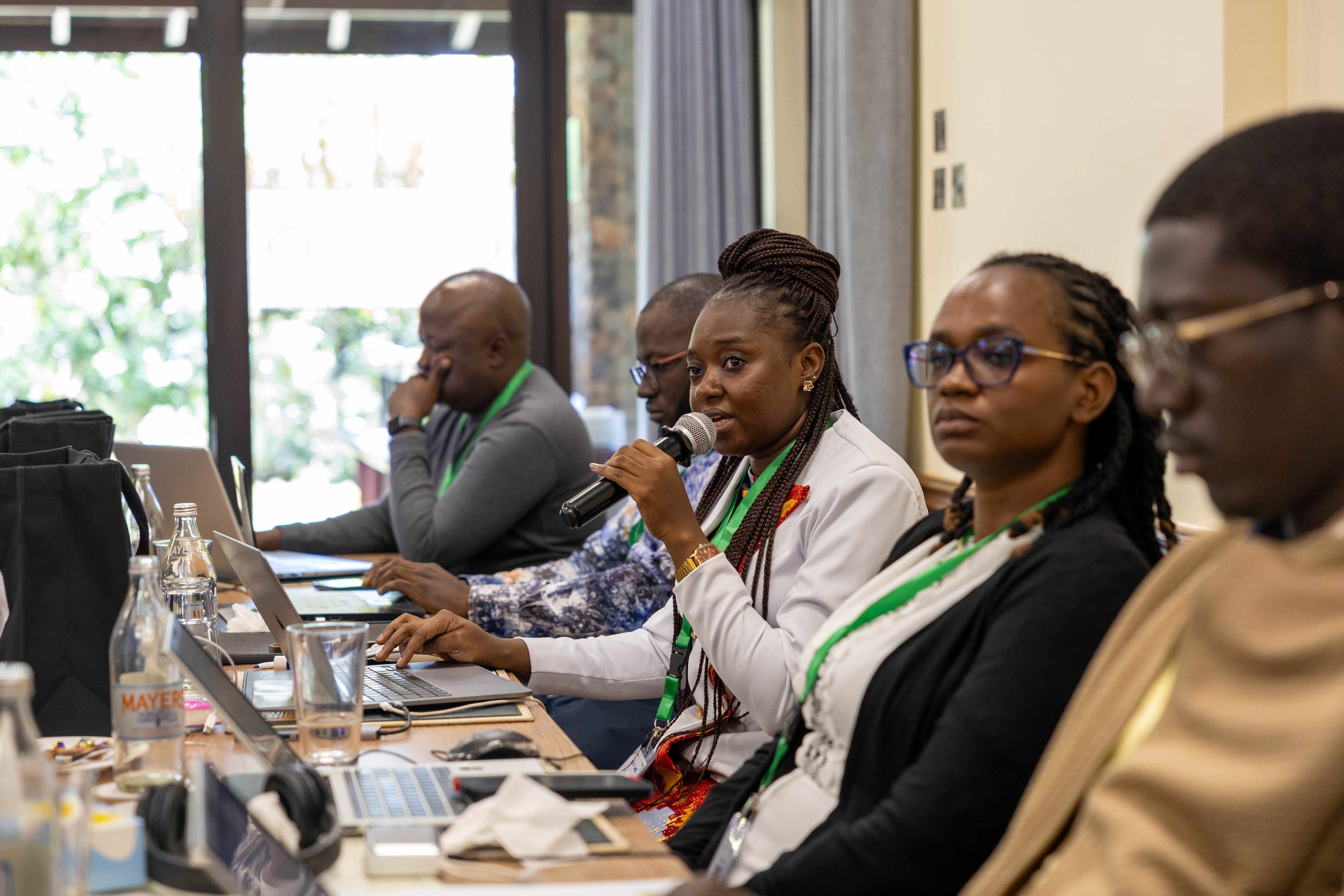
Country‑specific prevalence surveys revealed a significant mental health burden among communities exposed to flooding. Across several study sites, people living in flood‑affected areas experienced much higher levels of mental health conditions compared to those who were not exposed. Post‑traumatic stress disorder (PTSD) emerged as the most prevalent condition, with women and older individuals often experiencing the greatest impact.
These findings sparked constructive discussions around research methods, including how exposure to extreme weather events is defined and how confounding factors are accounted for in different countries. The group agreed on the importance of greater standardisation in future analyses to strengthen cross‑country comparisons and ensure robust, policy‑relevant evidence.

Now entering its final year, the WEMA study is increasingly focused on ensuring that research findings are translated into action. Discussions in Naivasha explored how best to engage policymakers, communities and the wider public.
Reflecting on the meeting, Professor Collins Iwuji, WEMA’s Project Lead, said:
“I am delighted with the progress we have made and the evidence we have generated. Over these two days, we have focused on how best to engage policymakers to ensure that our findings translate into action, including the integration of mental health support into disaster response and recovery.”
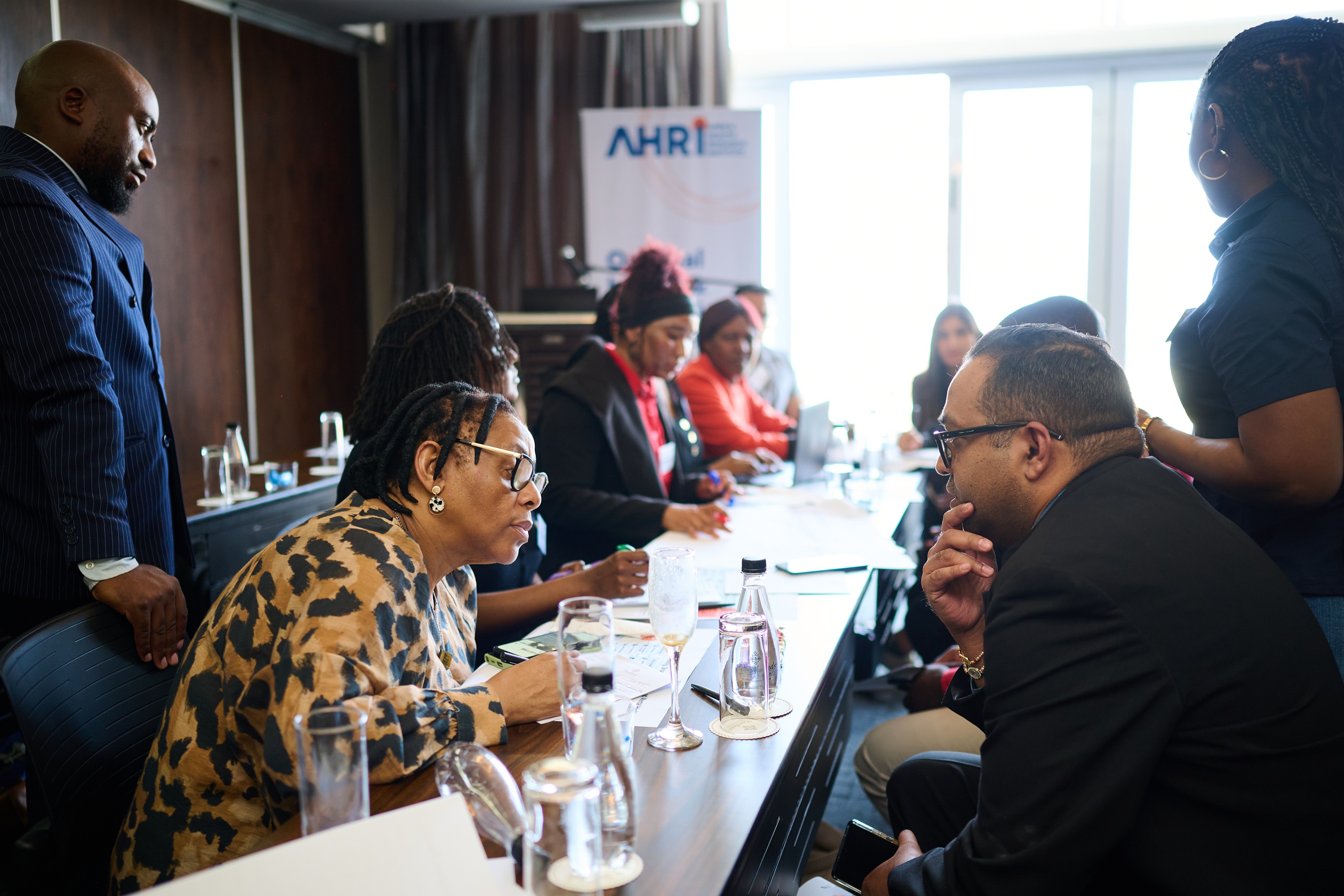
Participants worked collaboratively to map potential interventions that could help reduce the mental health impacts of extreme weather events. These ranged from community‑led initiatives and partnerships with local organisations, to state‑driven policy and service responses. Stakeholder mapping exercises helped identify who needs to be involved in designing and implementing these interventions, from community leaders and civil society groups to health systems and government departments.
Teams also developed causal loop diagrams to visualise how flooding and other extreme events interact with social, economic and health factors to influence mental health outcomes. These system‑level discussions highlighted the complexity of the challenge, and the need for coordinated, multi‑sectoral solutions.

The meeting also showcased digital storytelling work being conducted as part of WEMA. Through this approach, community members share their lived experiences of extreme weather events and their effects on wellbeing in their own words. These stories play a powerful role in complementing quantitative data, helping to humanise the research and ensure community voices remain central to policy discussions. Click here to watch the stories on our YouTube channel.
As WEMA moves into its final phase, partners are working closely to align communications, publications and engagement activities to maximise the study’s impact. The insights generated through WEMA are vital for shaping more inclusive disaster preparedness, response and recovery efforts—ones that recognise mental health as a critical part of climate resilience.