In Zambia, the ASTRA study is bringing together both community voices and national-level perspectives to better understand how extreme weather events affect healthcare access, HIV and TB services, and everyday life.
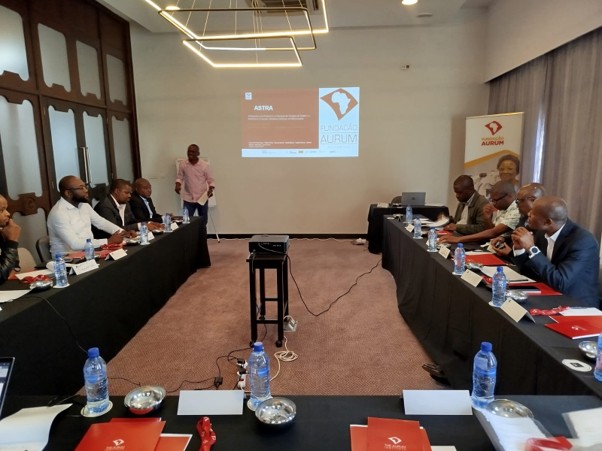
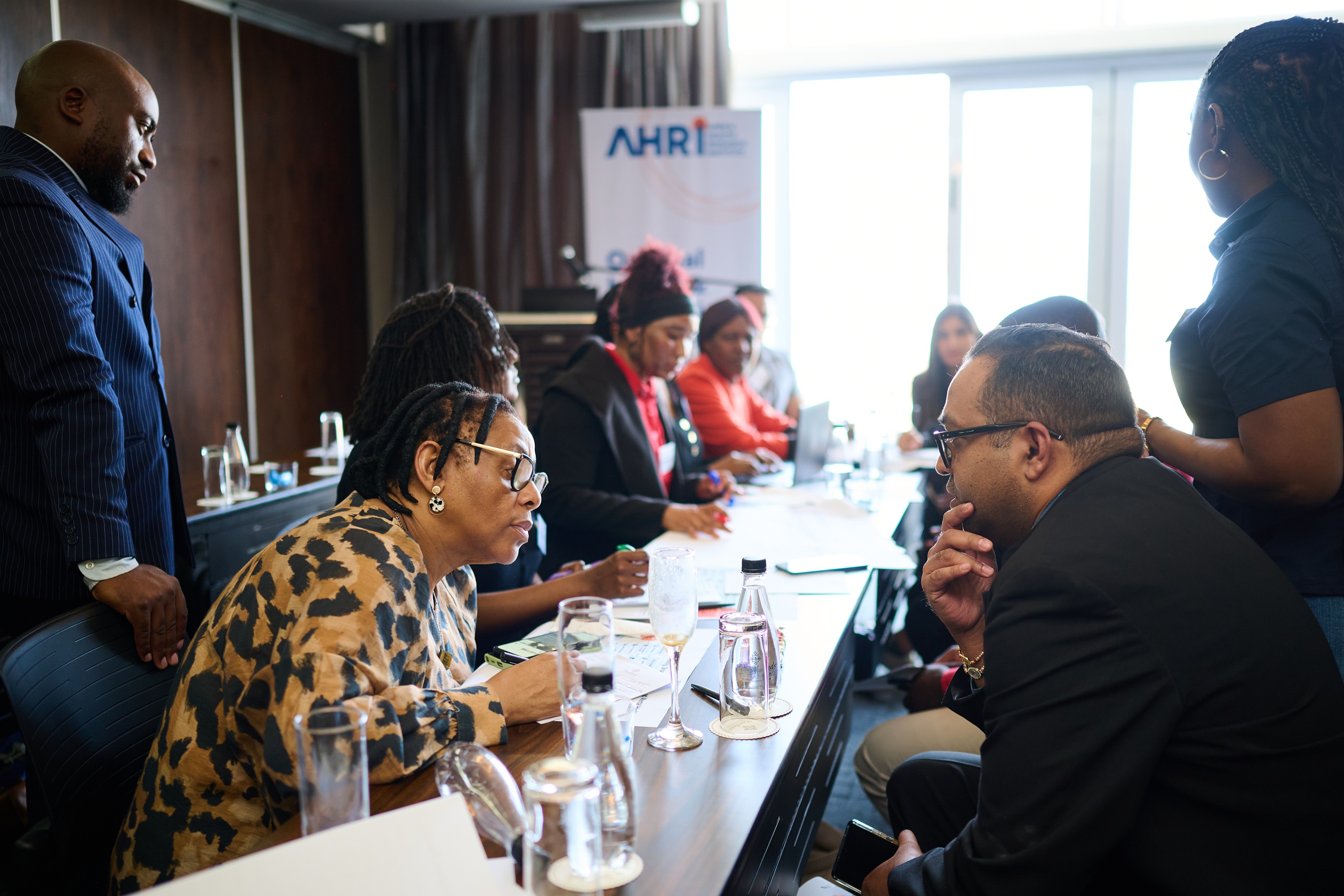
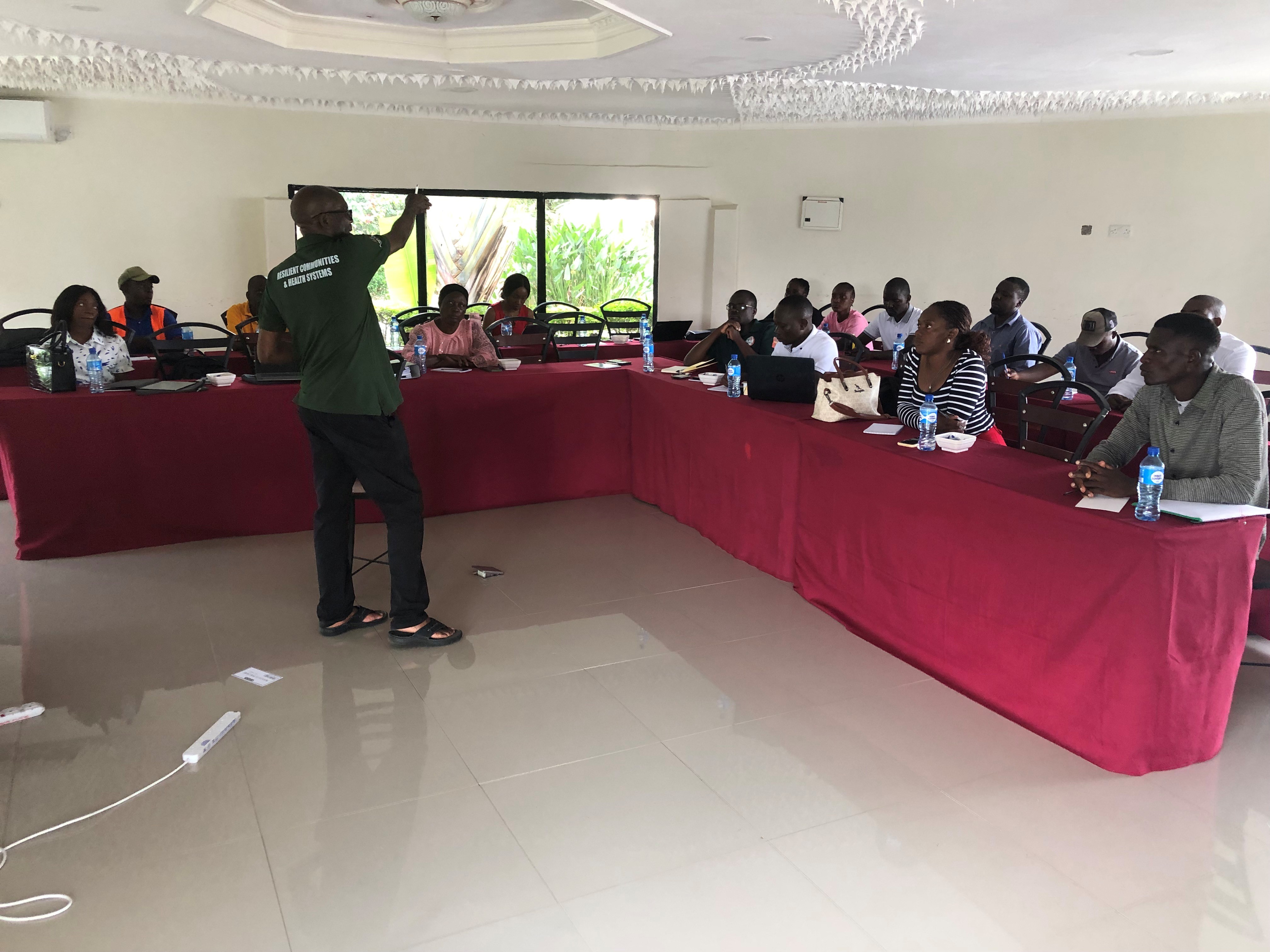
Two workshops were held as part of this process. The first, Workshop 1A, took place in Choma, Southern Province, and focused on community stakeholders from the four Zambian study sites. The second, Workshop 1B, took place at Zambart House in Lusaka and brought together national stakeholders working across health, climate, disaster management and related sectors.
Together, these engagements created an important link between what communities are experiencing on the ground and how national systems can respond.
The workshops formed part of the ASTRA study, which stands for Adaptations to Strengthen Healthcare Delivery and Resilience to Extreme Weather Events in Southern Africa. The purpose was to better understand how extreme weather events, such as floods and droughts, affect people’s ability to access healthcare, particularly HIV and TB services. The workshops also gave participants an opportunity to review and validate earlier findings from the study, including information gathered through scoping interviews, Broad Brush Surveys and vulnerability assessments. This helped the research team check whether the findings reflected real experiences and identify any issues that needed further attention.
Workshop 1A focused on community experiences. Participants included environmental health technicians, HIV and TB health facility focal point persons, members of community climate structures, traditional leadership, peer educators and local community-based organisations. These community stakeholders shared how extreme weather events affect their day-to-day lives in very practical ways.
For many participants, extreme weather was not only understood as a major disaster. It was also described as any weather condition that disrupts livelihoods, damages infrastructure, affects income, limits movement or reduces access to food and water. Floods, for example, can damage roads, wash away bridges and make it difficult for people to reach health facilities. Droughts can reduce household income, limit economic activity and deepen food and water insecurity. These pressures can make it harder for people to attend clinic appointments, collect medication or maintain treatment routines.
The discussions showed that climate shocks can quickly become health challenges. When a person cannot travel to a clinic, loses income, is displaced from their usual health facility or faces food insecurity, their ability to stay connected to care can be affected.
One of the strongest messages from the workshops was that extreme weather events can disrupt treatment continuity for people living with HIV or TB.
Participants highlighted several ways this can happen. Flooded roads and damaged bridges can block access to health facilities. Displacement can move people away from the clinics where they usually receive care. Reduced household income can make transport costs harder to manage. These disruptions may lead to missed appointments, which can affect treatment adherence and overall health outcomes.
Community stakeholders also noted that when formal healthcare access is disrupted, some people may seek alternative ways to manage their treatment. These may include consulting traditional healers, using herbal medication, seeking support from pastors or even sharing medication with others. These examples show why climate resilience in healthcare is not only about buildings and emergency plans. It is also about ensuring that people can safely and consistently access the care they need, even when weather events disrupt normal life.
Workshop 1B expanded the conversation from community experience to national-level systems and planning. This workshop included national stakeholders from sectors connected to health, climate change and disaster management. Participants included representatives from the Ministry of Green Economy and Environment, the Disaster Management and Mitigation Unit, municipal structures, civil society organisations, non-governmental organisations and organisations involved in HIV and TB service delivery.
While community participants focused strongly on lived experiences and daily impacts, national stakeholders brought attention to the wider systems needed to respond to extreme weather events.
A key standout from national stakeholders was the important role of community health workers. They were recognised as a vital bridge between communities and health facilities, especially during extreme weather events when movement, communication and service delivery may be disrupted.
This is an important insight because community health workers often understand local realities, know the people they serve and can help maintain the connection between households and health services during difficult periods.

A major outcome of the workshops was the development of a “wishlist” of possible interventions. This is an important step because the ASTRA study is not only trying to understand the problem. It is also working towards identifying practical, country-appropriate interventions that can help strengthen healthcare delivery during extreme weather events.
Future workshops will build on these discussions. Stakeholders, including experts in climate and health-related sectors, will help refine and narrow down the list of possible interventions. The aim is to identify options that are realistic, feasible and relevant to the Zambian context.
The information gathered from Zambia’s Workshop 1A and Workshop 1B will be brought together and used in the next stages of the ASTRA study. These findings will be shared with stakeholders during a follow-up workshop, where participants will further refine and narrow down the list of possible interventions.
The information will also help shape the criteria used to evaluate future ASTRA interventions. In simple terms, this means the study team will use what was learned from communities and national stakeholders to help decide which solutions are most practical, relevant and likely to make a meaningful difference.
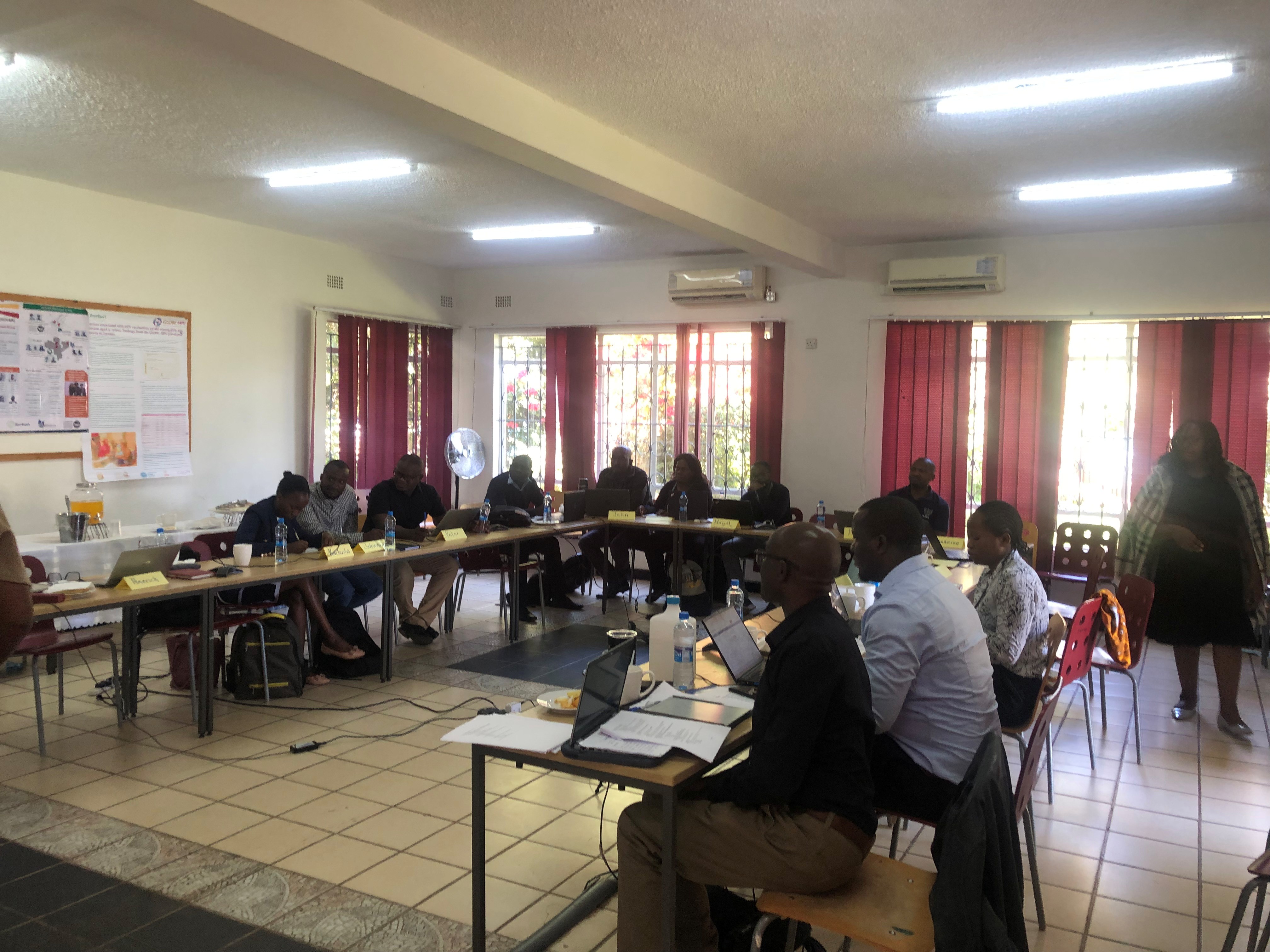
The Zambia workshops show the importance of connecting community knowledge with national planning.
Communities understand how extreme weather events affect everyday life. National stakeholders understand the systems, policies and services needed to respond at scale. Bringing these perspectives together helps create a more complete picture of what climate-resilient healthcare should look like.
As climate change continues to affect communities across Southern Africa, health systems will need to become more responsive, flexible and prepared.
Through ASTRA, Zambia’s community and national stakeholders are helping shape solutions that are grounded in lived experience, informed by evidence and connected to the systems that can support long-term resilience.